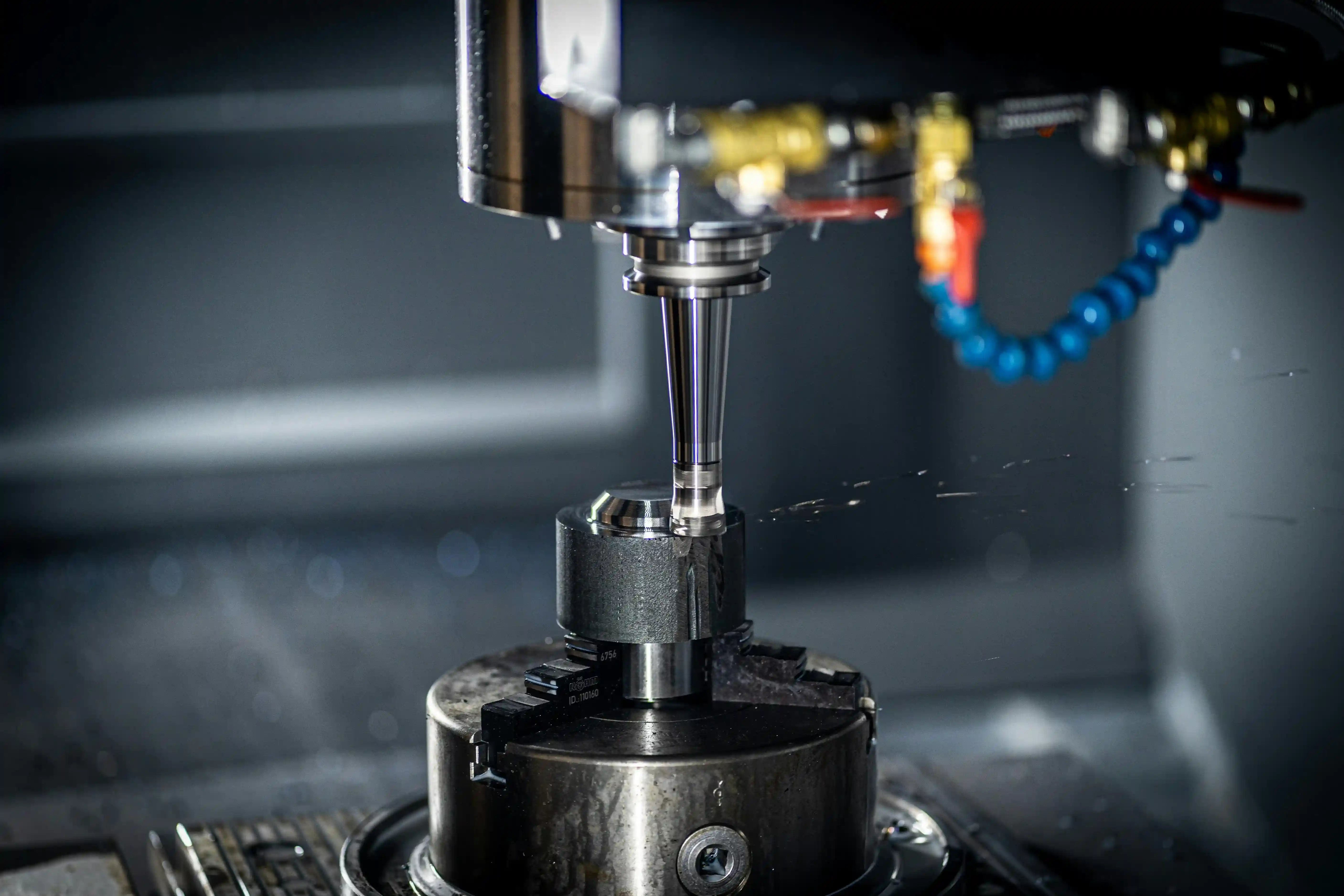
India’s manufacturing sector is on a tear, and CNC machining sits right at the heart of the action. The machine tools market is projected to jump from $1.7 billion in 2024 to $3.4 billion by 2033.
This guide digs into what you need to know about CNC machining in India—from costs and materials to picking good suppliers and managing your projects.
Getting accurate quotes and finding CNC partners can be a headache. You send out RFQs and wait, only to get back prices that barely make sense. Why? CNC pricing depends on machine type, material, complexity, and volume.
This article lays out a practical framework for working with CNC suppliers in India. You’ll get tips on process selection, budgeting, and how to steer clear of common mistakes.
Whether you’re prototyping or ordering thousands of parts, you’ll be better equipped to make decisions and get quality results.
Key Takeaways
- CNC machining is fueling India’s manufacturing boom, with the market set to double by 2033.
- Knowing about materials, cost factors, and supplier strengths helps you get better quotes and avoid headaches.
- Working with vetted suppliers and sticking to quality standards keeps results consistent from prototype to production.
What is CNC Machining and Why It Matters in 2026
CNC machining uses computer-controlled machines to carve material from workpieces with impressive precision. By 2026, this tech powers everything from aerospace parts to medical gear in Indian factories.
Definition and Core Concepts
CNC stands for Computer Numerical Control. It’s a process where pre-programmed software tells factory tools and machines how to move.
It all starts with a digital design file. This file gives the machine exact instructions for cutting, drilling, or milling. Well-known controllers like FANUC and Siemens turn these instructions into precise moves.
Common CNC processes include:
- CNC milling services – rotating cutting tools shape stationary workpieces
- CNC turning – the workpiece spins while the tool shapes it
- Wire EDM machining – electrical discharge slices through conductive materials
Most Indian shops use either 3-axis or 5-axis setups. 3-axis machining moves tools along X, Y, and Z—good for simple parts. 5-axis machining adds rotation, making complex angles possible in one go.
Precision? Tolerances usually hit ±0.01mm. Surface finishes are measured in Ra, with typical specs from Ra 0.4 to Ra 6.3 micrometers.
Why CNC Machining is Critical for Modern Manufacturing
Your production needs speed and repeatability that manual work just can’t deliver. CNC machines can run all day, every day, cranking out identical parts.
Indian makers like Jyoti CNC and ACE Micromatic build machines for both prototypes and big production runs. Brands like Haas are solid for 3-axis jobs, and DMG MORI covers advanced 5-axis work.
Multi-axis CNCs slash setup time. A part that once needed six manual setups might now need just one 5-axis operation. That’s days shaved down to hours.
Tool path optimization software keeps things efficient. Parts get done quicker, tool wear drops, and your per-unit costs go down.
CNC vs Other Manufacturing Methods
CNC machining cuts away material to make parts. That’s a different ballgame from 3D printing, which builds up layers, or casting, which fills molds.
Key advantages over alternatives:
| Method | Setup Cost | Unit Cost | Precision | Material Waste |
|---|---|---|---|---|
| CNC | Medium | Low-Medium | ±0.01mm | 30-70% |
| 3D Printing | Low | High | ±0.1mm | 5-10% |
| Casting | High | Low | ±0.5mm | 10-20% |
| Manual Machining | Low | Very High | ±0.05mm | 40-80% |
CNC gives you tighter tolerances than casting or 3D printing. You can use all sorts of metals, plastics, and composites that other methods can’t touch. Wire EDM even cuts hardened steel that would wreck normal tools.
Once you’re making 50-100 units, CNC turning in India is cheaper per part than manual work. The breakeven shifts with part complexity and precision needs.
Overview of CNC Machining in India
India’s CNC machining scene is booming, thanks to government pushes and rising demand from auto, aerospace, and electronics industries. The market hit $1.2 billion in 2024, with plenty of investment flowing in from home and abroad.
Growth of the CNC Machining Industry
The Indian CNC industry is growing at about 8.3% a year, aiming for $1.5 billion by 2030. Automation and precision manufacturing are spreading across industries.
There are over 50,000 CNC machines in India, spread across 15,000+ machine shops. The Make in India initiative has really helped, encouraging local production and cutting down on imports.
Policies like Production Linked Incentives have brought in foreign investment and joint ventures. The 2024 customs duty cut (7.5% gone) made CNC equipment more affordable here.
Key Regions and Industrial Hubs
CNC machining is strongest in five main hubs, each with supply chains, skilled workers, and good access to materials.
Major CNC Manufacturing Centers:
- Pune (auto and aerospace)
- Bangalore (electronics, precision parts)
- Chennai (auto, industrial equipment)
- Delhi-NCR (general manufacturing, tooling)
- Coimbatore (textile machinery, components)
Each region has its own specialties, so you can tap into the right expertise depending on your industry.
Market Trends and Developments
More shops are adding multi-axis CNCs for high-precision jobs in EVs and medical devices. Indian companies are investing in 5-axis and Swiss-type machines to stay competitive globally.
Digital tools are changing shop floors. Automated quoting and digital quality checks are becoming common, cutting lead times and boosting traceability.
The push for electric vehicles means new demand for battery housings, motor parts, and lightweight structures. CNC shops are upgrading and training workers to handle these new needs.
Types of CNC Machining Services
CNC machining covers several processes, each suited for different shapes and production needs. Milling handles complex contours, turning is great for cylindrical parts, wire EDM tackles hard materials, and grinding gets ultra-smooth finishes.
CNC Milling (3-Axis, 4-Axis, 5-Axis)
3-axis milling moves the cutting tool along X, Y, and Z. It’s best for flat or simple parts with features on one side—think brackets, plates, housings.
4-axis milling adds rotation around one axis (usually X), so you can machine details on multiple sides without moving the part. It saves time and bumps up accuracy.
5-axis milling lets you move across five axes at once. You can make complex shapes, undercuts, and odd angles in one setup. It’s essential for aerospace, medical, and turbine parts.
The trade-off? 3-axis is cheaper but limited. 5-axis costs more and needs skilled programmers, but it’s a game-changer for tricky parts and faster production.
CNC Turning and Lathe Work
CNC turning spins the workpiece while a stationary tool cuts away material. Perfect for shafts, pins, bushings, and threads. You can hit tolerances of ±0.005mm on diameters.
Live tooling lets you mill, drill, or tap while the part spins—so you finish complex parts in one go, saving time and keeping things accurate.
Swiss-type lathes are for tiny, high-precision parts up to 32mm. The guide bushing supports the workpiece for less deflection. Medical and electronics industries love this for mini components.
Production rates range from 50 to 500 parts an hour, depending on complexity and material. Bar-fed machines can run for hours without stopping, making them good for medium to high volumes.
Wire EDM and Specialized Processes
Wire EDM uses a thin brass wire and electric sparks to cut conductive materials. You can machine hardened steel, carbide, and exotic alloys—no mechanical force needed. Tolerances go down to ±0.002mm, and you get sharp internal corners milling can’t touch.
Wire EDM shines for punch and die sets, injection molds, and intricate gears. Wire diameters range from 0.02mm to 0.3mm, so you can get fine details and tight slots. Surface finish can reach Ra 0.2 microns if you dial in the right settings.
Sinker EDM uses a shaped electrode to make cavities and complex shapes. You’ll use this for molds, forging dies, and aerospace parts with internal channels. It’s slower than milling, but the geometry options are huge.
Both EDM types only work with conductive materials. Setups take longer, so EDM is best for complex shapes, hard materials, or small batches where other methods struggle.
CNC Grinding and Surface Finishing
CNC grinding uses an abrasive wheel to remove tiny amounts of material. You can get surface finishes from Ra 0.1 to 0.8 microns and hold tolerances within ±0.002mm. It usually comes after milling or turning when you need super-flat or smooth parts.
Cylindrical grinders handle round parts, while surface grinders work on flat pieces. Centerless grinding is for high-volume shafts and doesn’t need fixtures.
Grinding is a must for hardened parts that cutting tools can’t handle well. Bearing races, hydraulic pistons, and gauge blocks all need grinding for top precision. It’s also handy for removing heat-affected zones or fixing worn parts.
Material removal is slow—just 1 to 10 cubic mm per minute. But if you need the best surface quality and accuracy, it’s worth the extra time. Make sure your CNC shop keeps their grinding wheels in shape and uses coolant to avoid heat damage.
Industries Driving CNC Demand in India
India’s CNC machining serves fast-growing industries that demand precision and reliability. Automotive, aerospace, medical, and electronics are the main drivers, each with their own tolerance, material, and volume needs.
Automotive and EV Manufacturing
The auto sector is still the biggest CNC customer in India. CNC machines churn out engine blocks, transmission parts, brake systems, and chassis bits—all needing tight tolerances.
EV manufacturing adds new demand for specialized parts. Battery housings, motor cases, and power electronics enclosures all need precise machining for heat management and strength. Aluminum and magnesium are popular for being lighter than steel.
Common automotive CNC applications include:
- Engine and transmission parts (±0.01mm tolerance)
- Suspension and steering components
- Custom brackets and mounts
- Prototyping new vehicle platforms
The EV shift is pushing CNC shops to invest in multi-axis machines for complex shapes. This segment should keep growing as India aims for 30% EV adoption by 2030.
Aerospace and Defense
Aerospace manufacturers expect top-notch precision in CNC machining. Components often need tolerances as tight as ±0.005mm, plus full material traceability and compliance docs.
Defense work uses CNC machining for things like weapons systems, avionics housings, and airframe parts. You’ll usually see tough materials—titanium, inconel, and high-strength aluminum alloys.
Suppliers need the right cutting tools and programming skills to handle those materials. In India, aerospace CNC shops must hold AS9100 certification, with strict quality checks and batch traceability.
Medical Device Manufacturing
Medical devices rely on CNC machining for surgical tools, implants, and diagnostic components. You’ll need biocompatible materials—think medical-grade stainless, titanium, and PEEK plastics.
Implants like hip joints and dental fixtures require ultra-smooth finishes, sometimes better than Ra 0.8μm. Suppliers should follow ISO 13485 standards and keep cleanroom conditions.
Small batch runs are common, and documentation for validation and materials is a must for regulatory sign-off.
Electronics and Semiconductors
Electronics need CNC machining for heat sinks, enclosures, connector housings, and jigs. Good electrical and thermal properties are key.
Semiconductor equipment demands ultra-precise parts, sometimes with tolerances down to ±0.002mm—especially for wafer handling or lithography systems.
Key electronics applications:
- Custom heat sinks with tricky fin designs
- EMI/RFI shielding enclosures
- Precision brackets for PCBs
- Vacuum chamber parts for chip making
When you’re picking a CNC supplier for electronics, check if they’ve dealt with thin-wall machining and can hold flatness across larger parts.
Material Selection for CNC Machining
The material you pick affects performance, cost, and how easy it is to machine. Indian suppliers work with all sorts of metals and plastics, each with their own quirks.
Metals Commonly Used (Aluminum, Steel, Titanium, Brass)
Aluminum is the go-to for CNC jobs in India. It’s quick to machine, affordable, and strong for its weight. 6061-T6 is everywhere for structural stuff, while 7075 is for aerospace.
Steel comes in a bunch of flavors. Mild steel is good for basic brackets; stainless (304, 316) handles corrosion for medical and food gear. Tool steels are tough but harder to machine.
Titanium is super strong and biocompatible—Grade 5 (Ti-6Al-4V) is common for aerospace and implants. It’s pricey and needs special tools and slower speeds.
Brass is easy to machine and looks great. You’ll see it in electrical parts, fittings, and hardware. It’s got decent corrosion resistance and conductivity too.
Plastics and Composites Options (ABS, PEEK, Nylon, Delrin)
ABS is a budget pick for prototypes and low-stress parts. It’s easy to machine and finish, used for enclosures and jigs.
PEEK can take the heat and resists chemicals. It’s a metal replacement for tough jobs—expensive, but solves corrosion headaches.
Nylon is great for wear resistance and low friction. Perfect for gears or bearings, just watch out for moisture absorption if you need tight tolerances.
Delrin (acetal) is precise and stable. You get smooth, accurate parts—bushings, rollers, and more.
Material Properties and Applications
| Material | Strength | Machinability | Cost | Common Uses |
|---|---|---|---|---|
| Aluminum 6061 | Medium | Excellent | Low | Frames, brackets, enclosures |
| Stainless 316 | High | Good | Medium | Medical, marine, food equipment |
| Titanium Grade 5 | Very High | Fair | High | Aerospace, implants |
| Brass | Medium | Excellent | Medium | Fittings, electrical parts |
| ABS | Low | Excellent | Very Low | Prototypes, housings |
| PEEK | High | Good | Very High | High-temp applications |
Pick your material based on strength, environment, and budget. Heat, chemicals, and weight all play a part.
Material Sourcing in India
Indian suppliers keep common grades of aluminum, steel, and plastics in stock. Prices are generally good for 6061 aluminum, 304 stainless, and most standard plastics.
Special materials like titanium or PEEK might need to be imported, which bumps up lead time and cost. Reliable suppliers give you certified material and the right paperwork.
Availability shifts by region. Pune, Bangalore, and Chennai usually have better stocks of specialty alloys and engineering plastics.
Partwork.io makes supplier sourcing easy. Our platform shows you CNC machining costs within 5-10 seconds using our proprietary computational geometry and AI algorithm. You send your order, and we connect you with 50+ ISO-certified CNC shops across India—so you get competitive quotes in hours, not weeks.
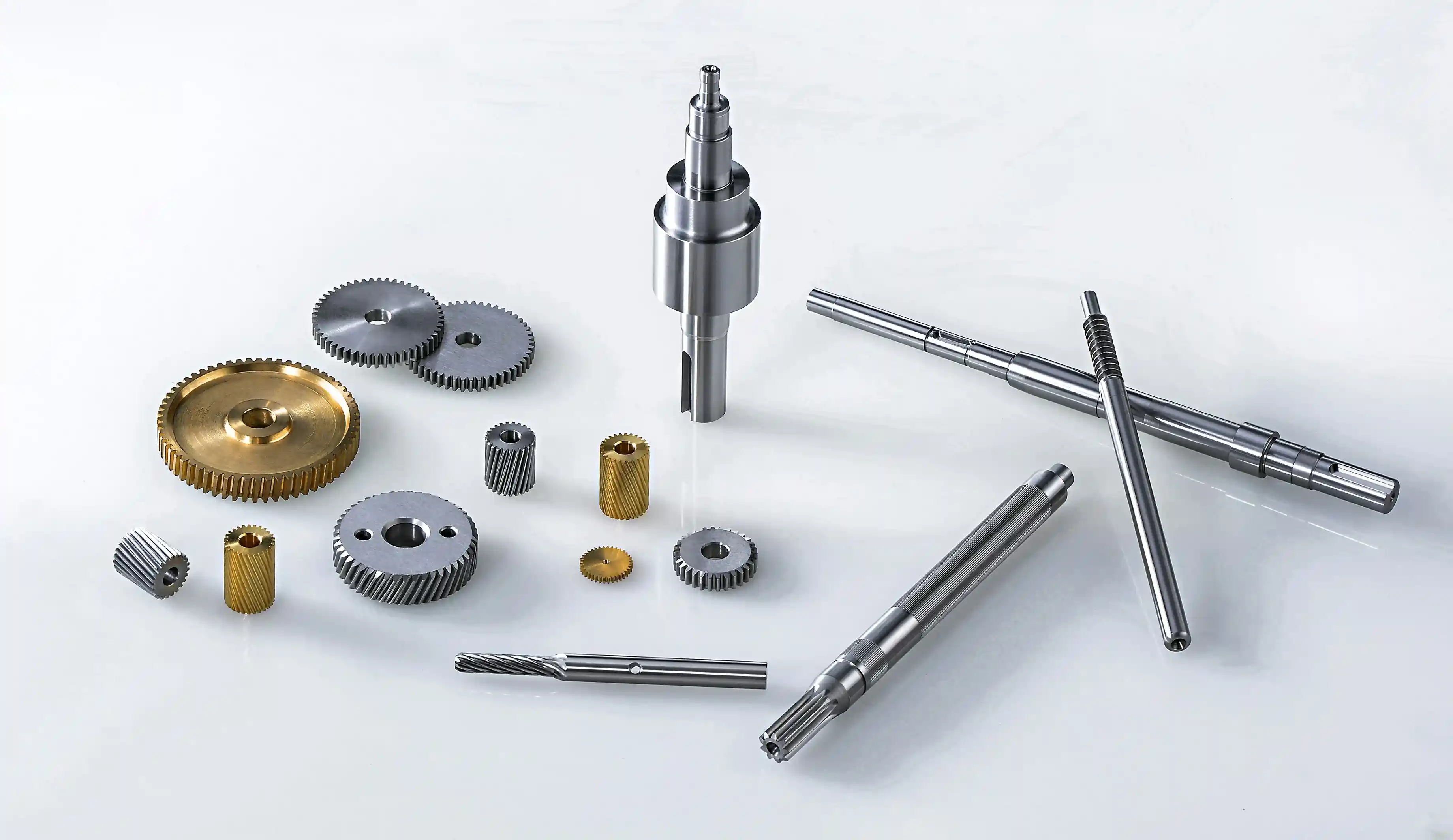
CNC Machining Costs in India: Complete Pricing Guide
To figure out CNC machining costs in India, you’ll need to look at hourly rates, material choice, batch size, and where the shop’s located. Most manufacturers charge ₹500 to ₹3,000 per hour, depending on machine and job complexity.
Hourly Machine Rates
Rates swing a lot based on the machine. Basic 3-axis mills are ₹500-₹800/hr, while 5-axis machines can be ₹2,000-₹3,000/hr.
Turning centers go for ₹600-₹1,200/hr. Wire EDM is pricier—₹1,500-₹2,500/hr—because of the specialized gear.
These rates usually include operator labor, not materials. Metro cities charge 15-20% more than smaller hubs. Most shops have a 2-4 hour minimum per job.
Factors Influencing Total Cost
Material is a big factor. Aluminum is ₹350-₹450/kg, stainless steel is ₹180-₹350/kg, and titanium can go past ₹3,000/kg.
Design complexity matters. Simple shapes with standard tolerances are cheaper. Tight tolerances, undercuts, and tricky details mean more tool changes and programming.
Production volume helps a lot. Prototypes cost more per piece; batches over 100 units can cut costs by 30-50% due to better setups.
Surface finishing adds to the bill. Standard finishes are usually included, but extras like polishing or anodizing run ₹50-₹300 per part.
Cost Optimization Strategies
Keep your design manufacturable—use standard drill sizes, avoid ultra-tight tolerances, and limit tool changes. Each new setup adds time and cost.
Combine orders to fill up machine time. Suppliers give better rates for bigger, continuous jobs.
Choose materials that machine faster if you can. Aluminum is quicker (and cheaper) to work than stainless, sometimes saving 25-35% on machine time.
Get quotes from different regions. More options mean better pricing and faster turnaround.
Regional Cost Comparisons
Northern India (Delhi-NCR, Ludhiana) offers rates from ₹600-₹1,800/hr and is strong in automotive parts. Good for large runs.
Western India (Pune, Mumbai) is ₹800-₹2,200/hr, with more aerospace shops and 5-axis machines. Certifications are common here.
Southern India (Bangalore, Chennai, Coimbatore) ranges ₹550-₹1,900/hr. Lots of ISO-certified shops and modern equipment.
Eastern India (Kolkata) is the cheapest at ₹500-₹1,500/hr, but specialty work may take longer.
Don’t forget transport—add ₹2-₹8/kg depending on the distance when comparing total costs.
How to Choose the Right CNC Machining Service
Choosing a CNC partner isn’t just about price. Look for certifications, the right machines, and a reputation for hitting deadlines.
Essential Certifications (ISO 9001, AS9100D, etc.)
Certifications show a supplier takes quality seriously. ISO 9001 is the baseline—consistent processes, trained staff, and regular reviews.
For aerospace or defense, AS9100D is a must. It adds traceability and risk controls. Medical device makers should ask for ISO 13485, which focuses on safety.
Always ask for current certificates and check they're valid. Some shops claim expired or suspended certs—worth double-checking.
Special work may need more: ITAR for defense, or NADCAP for heat treatment and testing.
Machine Capabilities and Quality Control
Modern machines mean better parts. Ask about their equipment—number of axes, spindle speed, and size limits. Three-axis is basic, five-axis is for complex shapes.
Inspection tools matter too. CMMs, optical comparators, and micrometers all help keep quality up. Good suppliers check parts at different stages, not just the end.
Get details on their quality process. First article inspection reports (FAIRs) are standard for new parts. SPC helps track consistency.
If you can, visit the shop or ask for a video tour. A clean, organized floor usually means better quality overall.
Assessing Supplier Reliability
Track record matters more than promises. Ask for customer references from companies in your industry.
Contact these references and ask about on-time delivery rates, communication quality, and how the supplier handles problems.
Review the supplier's production capacity. Make sure they can handle your order volume without overextending themselves.
A supplier running at full capacity may struggle to meet your deadlines or respond to urgent changes.
Communication responsiveness is telling. Test this during the quote phase—do they answer questions clearly and quickly?
Do they ask relevant technical questions about your requirements? If not, that's a warning sign.
Digital platforms have changed how companies find suppliers. Pre-qualified networks let you compare quotes, check ratings, and track orders without juggling dozens of supplier relationships.
Red Flags to Watch For
If a supplier resists sharing certifications or quality documentation, that's a problem. Legitimate shops readily provide this information.
If they claim to have certifications but can't show current certificates, move on.
Unusually low quotes often mean trouble. The supplier might cut corners, use poor materials, or lack proper equipment.
Get detailed breakdowns of all costs so you know what you're paying for.
Poor communication during the quote phase usually gets worse during production. If replies are slow or vague, expect delivery delays and quality issues.
Watch for suppliers who promise unrealistic lead times. Rush jobs are possible, but if someone always claims faster delivery than everyone else, they might be overcommitted.
Missing or outdated equipment creates quality risks. Suppliers relying only on manual or old CNC machines can't match the precision of modern shops.
Regional CNC Manufacturing Hubs in India
India's CNC manufacturing hubs are spread across several cities, each with its own strengths. Maharashtra, Tamil Nadu, and Karnataka lead the way, serving automotive, aerospace, electronics, and defense sectors.
Facilities here cover everything from high-volume production to specialized precision work.
Pune – Automotive Capital
Pune is India's top spot for automotive CNC machining. The city's industrial ecosystem supports major vehicle manufacturers and their supply chains.
There are over 15 ISO-certified machine shops in Pune focused on automotive components. These shops produce engine parts, transmission components, and chassis elements with the tight tolerances OEMs demand.
Lead times in Pune are usually 7-10 days for standard automotive parts. The city's location near major plants helps cut logistics costs and enables just-in-time manufacturing.
Strong technical education in Pune means a steady supply of skilled CNC operators and programmers. This workforce supports high-volume runs and rapid prototyping.
Bangalore – High-Tech Innovation Hub
Bangalore draws aerospace, defense, and electronics manufacturers looking for advanced CNC capabilities. The city specializes in complex geometries and handling tough materials.
You'll find multi-axis machining centers and 5-axis capabilities concentrated in Bangalore. These shops work with titanium, Inconel, and composites needed for aerospace.
The engineering talent here drives innovation in CAD/CAM programming and quality control. Partnerships with local tech institutions help speed up adoption of new machining tech.
Bangalore's electronics sector relies on micro-machining and ultra-precision work for telecom and medical device components.
Coimbatore – Precision Engineering Center
Coimbatore is known for precision engineering and cost-effective manufacturing. Its machine shops serve many industries while keeping pricing competitive.
Small and medium-sized CNC shops dominate here. These facilities are flexible for prototyping and medium-volume runs that bigger shops might ignore.
Coimbatore's expertise covers pump components, textile machinery, and agricultural equipment. Manufacturers here have decades of experience in these areas.
The city offers lower operational costs than metro hubs, yet maintains ISO 9001 and industry certifications. Good material availability and logistics networks help projects run smoothly.
Other Key Manufacturing Cities
Chennai mixes automotive and heavy machinery CNC work with a growing aerospace sector. The city's port access makes importing tools and exporting parts easier.
Hyderabad focuses on pharmaceutical equipment and precision instruments. Defense manufacturing has grown a lot here lately.
Ahmedabad serves chemical processing and textile machinery sectors, with expertise in corrosion-resistant materials. The city's shops excel in stainless steel and specialty alloys.
Delhi NCR (Gurgaon, Noida, Faridabad) supports automotive ancillary production and general engineering. The dense supplier base offers competitive quotes from over 50 certified facilities.
Quality Control and Certification
CNC machining quality relies on systematic inspection, recognized certifications, and consistent processes for repeatable results.
Inspection Techniques
Raw material inspection comes first. Verify material properties and dimensions before machining starts.
First Article Inspection (FAI) validates the initial part against your specs. Suppliers should measure all critical dimensions on the first piece.
In-process monitoring tracks quality during production. Operators check key dimensions at intervals using:
- Calipers and micrometers
- Coordinate Measuring Machines (CMM)
- Optical comparators
- Surface roughness testers
Final inspection happens before shipping. Parts should get a full dimensional check, visual inspection, and functional testing if needed. For large batches, many shops use statistical sampling.
Relevant Certifications
ISO 9001:2015 shows the supplier has documented quality management systems. This covers design control, process validation, and corrective action.
ISO 13485 applies to medical device manufacturing. Needed if your parts are for medical use.
AS9100 is for aerospace components. It adds stricter traceability and documentation on top of ISO 9001.
Look for material certifications too. Suppliers should provide mill test certificates for raw materials.
Platforms that pre-screen for ISO certification save you time and reduce risk.
Maintaining Process Consistency
Statistical Process Control (SPC) helps suppliers track variations in real time. Control charts catch trends before parts go out of tolerance.
Standard work procedures ensure operators follow the same steps. Written instructions cover machine setup, tooling, and inspection.
Tool management systems track cutting tool life and replacement. Worn tools cause poor tolerances and finish. Measuring equipment should be regularly calibrated, with certificates traceable to national standards.
Lead Times and Project Management
Understanding lead times in CNC machining directly affects your production schedules and delivery commitments. The time from order to delivery depends on part complexity, material availability, and your supplier network's efficiency.
Estimating Turnaround Times
Lead time is the total duration from order placement to finished parts ready for shipment. In India, this varies based on sourcing method and supplier capabilities.
Traditional sourcing usually takes 3-4 weeks for standard CNC projects. This covers design review, material procurement, machining, inspection, and finishing. Complex parts or special finishes may add another week or more.
Modern digital platforms have cut these timelines. With streamlined sourcing, you can get finished parts in 5-10 days for standard orders. Rush services can deliver in 2-3 days if you're really in a pinch.
| Method | Average Lead Time |
|---|---|
| Traditional sourcing | 3-4 weeks |
| Digital platform | 5-10 days |
| Rush orders | 2-3 days |
Material choice matters. Common materials like aluminum 6061 and mild steel are easy to source and start right away. Specialty alloys or imported materials can add 3-7 days.
Managing Production Schedules
Good planning means your design team and manufacturing partners need to be in sync. Submit complete technical drawings with all specs clearly stated.
Incomplete documentation causes delays as suppliers ask for clarifications. Build buffer time into your schedule—adding 20-30% extra to the quoted lead time is smart for critical items.
This protects against material shortages, machine breakdowns, or quality issues. Communicate your deadlines up front when requesting quotes.
Suppliers can sometimes prioritize urgent orders or suggest tweaks to speed up production. Regular updates help you track progress and fix bottlenecks before they become problems.
For large runs, consider splitting orders across multiple suppliers. This can reduce risk and actually shorten lead times through parallel production.
Optimizing Supply Chain Logistics
Your supply chain setup has a big impact on project duration. Working with multiple suppliers means more negotiations, audits, and coordination. This adds overhead and stretches timelines.
A centralized supplier network simplifies logistics and speeds things up. Platforms connecting you with pre-vetted, ISO-certified CNC shops can save weeks of qualification time.
You get competitive quotes within hours, not days, so you can make decisions faster. Digital tracking systems provide real-time order status—see when materials arrive, when machining starts, and when inspection finishes.
Location matters too. Suppliers near major transport hubs in Pune, Bangalore, or Chennai can shave 1-2 days off shipping compared to remote shops.
Think about packaging early to avoid delays from bad crating or missing shipping documents.
Step-by-Step: Getting Your Parts Made
Getting CNC parts made in India has four main phases: design prep, supplier selection, production oversight, and finishing work.
Phase 1: Design and CAD Preparation
Start with a solid CAD model. Use software like SolidWorks, Fusion 360, or AutoCAD to create a detailed 3D design.
Your CAD file needs exact dimensions, tolerances, and surface finish requirements. Mark features needing tight tolerances (usually ±0.05mm to ±0.01mm for precision work).
Include thread specs, hole depths, and special callouts. Here's what your CAD file should have:
- File format: STEP (.stp) or IGES (.igs) preferred
- Units clearly defined (metric is standard in India)
- Material specs noted
- Quantity stated
- Surface finish standards (Ra values)
Export a 2D PDF drawing with all dimensions, GD&T symbols, and notes. Indian suppliers use metric, so convert imperial units if needed.
Double-check your design for manufacturability—avoid impossible features like internal square corners or hard-to-reach surfaces.
Phase 2: Supplier Selection and Quoting
Find qualified CNC shops by checking certifications, capabilities, and pricing. Look for ISO 9001:2015 at minimum, ISO 13485 for medical, or AS9100 for aerospace.
Request quotes from several suppliers. Attach your CAD files and drawings. Include your volume projections—higher quantities mean lower prices per part.
Expect quotes within 2-5 business days from responsive shops. Compare:
- Per-piece cost at different volumes (10, 100, 1000 units)
- Tooling/setup charges
- Lead time
- Payment terms (30-50% advance is common)
- Shipping costs
Ask about machine capabilities—3-axis machines are cheaper but limited, while 5-axis handle complex parts. Make sure the shop can hold your tolerances and has experience with your material. Request samples of similar past work.
Phase 3: Production and Quality Control
Once you approve the quote and send your purchase order, production starts with programming. The supplier converts your CAD file into G-code for the CNC machines.
Most Indian CNC shops do a First Article Inspection (FAI) on the first few parts. Always ask for an FAI report with actual measurements before the full run gets going.
During production, request in-process inspection reports. Good shops measure critical dimensions at intervals using CMMs or precision tools.
For big orders, you might want a third-party inspection agency in India to check the facility.
Typical production timeline:
- Programming and setup: 1-3 days
- Machining (per 100 parts): 2-7 days depending on complexity
- Quality inspection: 1-2 days
Keep in touch with your supplier throughout production. Ask for photos or videos of the setup and first pieces. If questions pop up, address them quickly to avoid delays or waste.
Phase 4: Post-Processing and Delivery
Raw machined parts usually need finishing. Common post-processes include deburring, anodizing, powder coating, heat treatment, or plating.
Coordinate these with your supplier or use a separate vendor. Many CNC shops have partners for surface treatments. Add 3-7 days for finishing, depending on the process.
Inspect parts as soon as they arrive. Check dimensions, surface finish, and fit with mating components if needed. Document issues with photos and measurements within 48 hours.
Final delivery checklist:
- Packing list matches your order
- Material certifications included (if requested)
- Inspection reports provided
- Parts packaged to prevent damage
- Invoice matches quoted price
Save your supplier’s contact info and part numbers for easy reorders. Building a relationship with a reliable Indian CNC shop makes future projects smoother and can get you better pricing.
Technology Trends Reshaping CNC Machining in 2026
CNC machining in India is moving fast. Artificial intelligence, automation, integrated design software, and greener practices are making things cheaper and better for manufacturers.
AI-Powered Machining and Automation
AI is changing how CNC machines are programmed and run. Modern systems analyze tool paths in real-time and tweak cutting parameters to prevent mistakes before they happen.
Facilities using AI-powered systems have cut programming time by 30-40%. Machine downtime is down too, thanks to predictive maintenance catching problems early.
Auto parts makers use AI to optimize multi-axis machining. Electronics manufacturers rely on it for keeping tolerances tight.
The tech works by collecting data from sensors on the machines. It learns what’s normal and flags anything odd. You’ll get alerts about tool wear, vibration, or temperature drift before things go wrong.
Key AI capabilities in CNC machining:
- Automatic tool path optimization
- Real-time quality monitoring
- Predictive maintenance alerts
- Adaptive feed rate control
Lights-Out Manufacturing
Lights-out manufacturing means CNC machines run on their own overnight or on weekends. Around 25% of advanced Indian shops are moving in this direction.
You need solid automation and quality monitoring. Robotic loading, automatic tool changers, and in-process inspection make it possible.
ROI often comes in 18-24 months, depending on volume and labor costs. Multiple shifts speed up payback.
Automotive suppliers run unattended lines for standard parts. Precision shops use it for high-volume jobs.
Start with simple parts and proven processes. Add complexity as your systems and confidence grow.
CAD/CAM Software Integration
Modern CAD/CAM software connects straight to shop floor equipment. You design, generate tool paths, and send programs to machines—no manual file transfers needed.
This reduces programming errors and speeds up setup. Changes in design update the machining instructions automatically. Operators can see 3D models and tool paths right at the machine.
Cloud-based systems let you access programs from anywhere. Teams in different cities can work together on the same project. You can monitor job progress remotely and tweak schedules on the fly.
Benefits of integrated CAD/CAM systems:
- Faster design-to-production workflow
- Fewer programming mistakes
- Better collaboration
- Easier documentation
The software simulates machining before you cut any material. You can check tool clearances, cycle times, and spot collisions. This saves both time and material.
Sustainability and Green Manufacturing
CNC shops are working on being greener. Newer, energy-efficient machines use 20-30% less power. Coolant management systems recycle and filter fluids to cut waste.
Material waste gets reduced by optimizing nesting and tool paths. Scrap is recycled, not trashed.
Water-based coolants are replacing oil-based fluids. They’re safer and easier to dispose of. Some machines use minimal lubrication, applying just enough fluid where needed.
Green manufacturing also lowers energy bills. Customers like suppliers with good environmental practices. There are even government incentives for meeting sustainability standards.
Platforms can connect you with ISO-certified shops that follow green practices. You get quality parts and help the environment too.
Common CNC Machining Challenges (and Solutions)
CNC machining in India is cost-effective, but teams often run into issues with quality consistency, long lead times, rising material costs, and communication gaps.
Quality Consistency Issues
Getting the same quality every time can be tough. Operator skill, machine maintenance, and weak quality systems can lead to parts out of spec.
Tool wear is a big culprit—worn tools make for bad dimensions and rough finishes. If not monitored, they’ll keep running and make more bad parts.
Material inconsistencies matter too. Changes in composition or hardness can cause weird machining results, especially with different batches.
To reduce these problems, ask suppliers for:
- First article inspection reports for new runs
- SPC data showing measurement trends
- Tool change schedules
- Material certifications
Request in-process inspections, not just final checks. This catches issues early.
Long Lead Times
Delays can mess up your supply chain. Lead times in India sometimes stretch due to machine scheduling, material delays, or poor planning.
Many shops run close to full capacity, so your order might wait in line. Programming mistakes or setup errors can add even more time.
Customs and shipping can cause further delays, especially if paperwork’s off.
To cut lead time risks:
- Add buffer time to your schedule (20-30% extra is common)
- Ask for a detailed production schedule
- Discuss expedite fees for urgent jobs
- Work with suppliers who keep material in stock
Platforms with multiple certified suppliers let you compare availability and pick shops with open capacity. That can shave weeks off the process.
Material Cost Fluctuations
Raw material prices in India jump around due to global markets, duties, and currency swings. Aluminum, steel, and plastics all see ups and downs.
Suppliers quote based on current rates. A quote valid for 30 days might not match actual costs by the time you order. This can bust your budget.
Currency swings between your currency and Rupees add more unpredictability. A 5-10% swing can wipe out savings.
Protect yourself by:
- Requesting fixed-price quotes valid for 60-90 days
- Negotiating material price caps
- Timing big orders after price drops
- Considering alternative, lower-cost materials
Ask about suppliers’ material buying habits. Those who buy in bulk or keep inventory can handle small price jumps better than shops who order per job.
Communication Gaps
Communicating with Indian CNC suppliers can be tricky. Language, time zones, and different technical terms can cause confusion and delays.
Time zone differences mean your emails might not get answered until the next day, slowing things down.
Drawings can be misread if standards differ. GD&T, threads, and finish specs sometimes mean different things.
Make things easier by:
- Sending 3D CAD models with 2D drawings
- Using video calls for complex topics
- Having single points of contact on both sides
- Using shared dashboards to track progress
Set up regular progress calls at good times for both sides. A short weekly call can prevent bigger issues. Written summaries after each call help keep everyone on the same page.
Future Outlook for CNC Machining in India
India’s CNC machining sector is set for big growth, with the market expected to double from USD 1.7 billion in 2024 to USD 3.4 billion by 2033. Government programs and new tech sectors are opening fresh opportunities.
Government Support and PLI Schemes
The Indian government is pushing manufacturing with programs like Make in India. These offer financial incentives for setting up local factories.
Production Linked Incentive (PLI) schemes give 4-6% incentives on incremental sales for sectors like auto parts and electronics. There’s also support for training CNC operators and programmers to close the skills gap.
Import duties favor local production, making it cheaper to source CNC parts from India instead of importing.
Market Growth Projections
The CNC machining centers and turning centers market is set to hit USD 1,536 million by 2030, growing at 8.5% annually from 2025 to 2030.
CNC machines now make up about 89% of India’s machine tool industry, showing how important precision manufacturing has become.
Industry 4.0 tech is fueling this growth. IoT sensors and data analytics let you monitor machine performance in real-time, cutting downtime and improving quality.
Emerging Applications (EVs, Space, Renewables)
Electric vehicle production needs precise components like battery housings, motor casings, and thermal systems. India's EV market is growing fast, which means more demand for CNC-machined aluminum and composite parts.
The space sector's opening up as private companies get into satellite manufacturing and launch services. These projects call for tight-tolerance components that meet strict aerospace standards.
Renewable energy equipment, like wind turbines and solar trackers, relies on CNC parts too. Gearboxes, brackets, and structural parts have to handle tough conditions and stay accurate.
Medical device manufacturing is on the rise as well. There's more need for surgical tools and implants that require biocompatible materials and extremely high precision.
Why Choose Partwork for Your CNC Machining Needs
Partwork makes CNC machining procurement in India fast and straightforward. We use proprietary computational geometry and AI to show you pricing in just 5-10 seconds.
Platform Advantages
Finding a reliable CNC supplier usually takes weeks. With Partwork, you upload your CAD files and get competitive quotes in minutes—no endless searching required.
We work with over 50 pre-vetted manufacturing partners across India. Whether you need a prototype or thousands of units, we match your order with shops that fit your needs.
Key features include:
- Transparent pricing with full breakdowns for materials, machining, finishing, and shipping
- Real-time order tracking from start to finish
- Built-in technical support and DFM feedback
- Engineering help throughout your project
Quality Assurance and Supplier Network
All our partners hold certifications like ISO 9001, AS9100D, or ISO 13485. You don't have to worry about untested manufacturers.
We keep quality standards high with regular audits and strict requirements. Our network covers a range of industries, so whether you need aerospace precision or medical compliance, you're covered.
Get Started Today
Just upload your CAD files to get started. You'll see quotes from qualified suppliers within hours.
The platform gives you everything you need to manage CNC machining projects—quote comparisons, order tracking, and full visibility from start to delivery.
Frequently Asked Questions
Find answers to common questions about this topic
What are the typical processes involved in CNC machining and how are they implemented in India?
CNC machining starts with your design. You send CAD files, which are turned into machine code using CAM software. Processes include turning (for round parts) and milling (for complex shapes). Indian shops use 3-axis to 5-axis machines based on part complexity. Your parts go through programming, setup, machining, and inspection. Most shops use CMMs for accuracy checks. Finishing steps like deburring or coating come last. Standard lead times are 5-15 days, depending on the job.
Can you provide a breakdown of the cost factors associated with CNC machining services?
Material is usually 30-40% of your total cost. Prices change with markets and availability. Machine time is billed by the hour—₹500 to ₹3,000, depending on machine type. More complex machines cost more. Setup fees apply for each new job, usually ₹2,000 to ₹10,000. Larger orders help spread out this cost. Special tools may add to your bill. Finishing like anodizing or coating can add ₹50 to ₹500 per part. Labor in India is cost-effective—generally 40-60% less than in the West.
What range of materials can be effectively processed through CNC machining technologies in India?
Indian CNC shops work with a wide range of metals. Aluminum (6061, 7075) is common, as are stainless steels (304, 316). They also machine carbon steel, tool steel, brass, copper, and even titanium at some shops. For plastics, ABS, nylon, PEEK, polycarbonate, and Delrin are standard choices. Exotic materials like Inconel or Hastelloy are possible but cost more and require special expertise. Always check material certification for critical parts.
How do you assess the quality and reliability of CNC machining suppliers in the Indian market?
Look for ISO 9001 or ISO 13485 certification. Ask for proof and recent audit info. Check what equipment the supplier has—newer machines usually mean better results. Make sure they have proper inspection tools like CMMs. Ask for case studies or customer references. On-time delivery above 95% is a good sign. Check how long they've been in business and who their clients are. Established suppliers are usually more reliable.
What are the key considerations for selecting a CNC machining supplier for engineering projects?
Make sure the supplier can meet your tolerances. Standard machines reach ±0.05mm, but some go tighter. Choose suppliers that fit your order size—some are better for prototypes, others for large runs. Quick, clear communication is important. English fluency helps avoid confusion. Location matters for shipping and visits. Being near ports like Chennai or Mumbai helps with exports. Look for itemized pricing. Avoid suppliers who only give lump sums with no details. Partwork.io makes it easy by giving you access to 50+ ISO-certified CNC shops and fast quotes—no more weeks of searching.
What measures are in place to ensure the precision and consistency of CNC machined parts in India?
First article inspection (FAI) checks your first production samples against your specs. This step happens before full production kicks off. You'll get inspection reports showing measured values for all the critical features. In-process inspection helps catch mistakes early. Operators measure key features at set intervals during machining. Statistical process control charts keep an eye on trends and flag problems fast. Regular tool calibration and maintenance are a must. Good shops calibrate tools and measuring gear on a schedule. Ask for calibration certificates if you need extra assurance. Environmental controls matter too. Temperature and humidity swings can mess with dimensions and accuracy. Shops with climate control tend to deliver more consistent parts than open-air ones. Final inspection checks all dimensions, finishes, and how the parts look. Visual checks and sampling follow AQL standards. You'll get a certificate of conformance with your shipment for traceability. Want proof of a supplier’s capability? Request Cpk studies to see their precision in action.